Falling, From Grace
November 30, 2025
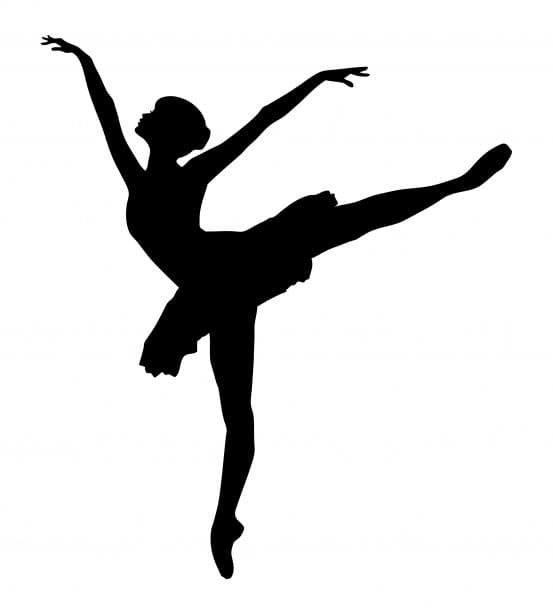
The maroon curtains draw back, unveiling the soft yet powerful glow of the lights suspended above the audience. Their warm, yellow radiance washes over the stage, sharpening the beauty of the scene: a lone ballerina, poised in perfect stillness, ready to begin her fateful dance before the darkened crowd. All eyes settle on her, breath held, waiting for the first note that will carry them into a world unmoored from reality. Her skin catches the light with a subtle shimmer; her hair is pulled into a disciplined bun; her toes remain elegantly pointed as she gazes into the almost invisible sea of faces beyond the footlights.
A hush falls over the crowd as the violin begins, silencing the deafening noise of her betraying heart. Slowly, she moves – her arms rise as the volume increases, unfolding like silent wings that carry her every moment. Every time the cello erupts, so does she, her feet beating against the aching floorboards of the stage with more power, more precision. She isn’t dancing movements learnt from months of practice, the music is dancing through her, echoing inside her and controlling the point of her toes, how steady she remains as she twirls and twirls. The music breathes through her; it becomes her.
The tempo brightens suddenly, flaring into a childlike giddiness—innocent, and playful. Out of the wings, a younger dancer slips onto the stage, her small frame catching the rhythm like a spark catches wind. Her hair is in the same tight bun, her pointe shoes the same colour, but her innocent stature is not to be confused with the childlike deviance that lies in wake. She is neither calm nor collected; she is mischievous and curious. She trails behind the ballerina, mirroring each gesture with enthusiasm. Her movements lack the seasoned precision and practised grace of the ballerina, yet they hold their own charm: an unfiltered confidence, the fearless joy of someone untouched by years of discipline and practice.
Together, they form a deliberate chaos—two bodies weaving in and out of harmony, sometimes clashing, sometimes dissolving seamlessly into shared motion. Their duet becomes a conversation: the ballerina’s elegance guiding, the child’s spontaneity disrupting and revitalising. It is in their imperfect synchrony that the beauty emerges, a collision of experience and innocence painted across the stage in sweeping arcs and scattered steps; mirrored by the struggles of the violin to be heard against the whispering drums.
In one final deafening strike, the drums seize control of the scene. The young dancer darts towards the wings of the stage just as another figure emerges into the shifting light. He commands the attention of the audience without seeking it; the allure of his presence draws the ballerina closer. The ring on his left hand is seen sparkling under the spotlight.
He approaches the ballerina without dancing, but merely walking towards her as the drums mimic the timing of his strong and commanding footsteps. He takes her hands and lifts her up effortlessly, capturing the ballerina into weightlessness as she is suspended. Together, they bleed into a lovely and vibrant red alongside the blinding lights, pulsing in time with the banging of the drums as they thump.
And thump.
And thump.
Another strike shakes the interior of the auditorium as the flutes sing. The winds fight against the drums, ultimately causing the music to fall to a quieter tune sustained by the combination of flute, clarinet, and piccolo song. Playful, energetic, and composed, the winds introduce a new dancer onto the stage: a young boy who emerges from the wings.
Wearing the black leotard of the man but controlling himself with the grace and dignity of the ballerina, the young boy pirouettes and spins towards the ballerina and danseur, who are still entranced under the red lights as they twirl defiantly, like a sailboat resisting the pull of the tide.
The young boy pulls the ballerina and danseur apart, taking them hand in hand and eventually pulling them close into a tight embrace. Seconds pass, and the three are still together, held tight as the winds reach a slow decrescendo, eventually fading into silence as the maroon curtains come to a close and lights fade to black - blanketing the audience into a thick and softening night.
Awakened by the pounding of the drums and the soft humming of the violin, the lights come alive into a warm yellow like that of sunlight, illuminating the maroon curtains as they pull back to reveal the ballerina, now dressed in a white leotard, at centre stage. She stares into the audience with a slight smile, not a hair out of place from her tight bun, nor are her feet positioned just a centimetre in the wrong direction. She is and will always be a symbol of beauty and perfection, in both her trade and her dignity.
She moves to the violin's sweet humming as the drums begin a quiet rhythmic pounding. The spotlights focus upon her as she twirls and twirls across the stage, her movements as graceful as the beginning moments of her performance. The stage is her playground, and she controls the music and dance that follow. Upon the crescendo of the drums and the quickening of the violin, the ballerina begins a frantic yet calculated transition into an energised movement.
The lights begin to dim amidst the entrance of a new character – a man cloaked in a black hood that arises from the shadows. He appears suddenly, the ballerina’s ignorance of his arrival apparent as she continues dancing perfectly to the timing of the music's tempo. The cloaked figure appears behind the ballerina, making his presence finally known and causing her to fall to the floor.
The man offers his hand as the drums crescendo into a thunderous roar and the instruments silence, an offering the ballerina declines as she stumbles to her feet. While she attempts to regain her composure and ignore the presence of the man, her efforts are fruitless as the audience stares at her dance that no longer matches the rhythm nor tempo of the song – now uncalculated, unprofessional, and desolate as her prime.
Bemused by her avoidance and attempt to continue performing, the man grabs the ballerina by the arm, pulling her close. Turning her towards the back of the stage, the three supporting dancers from before appear, facing the ballerina – the young girl, a near perfect representation of her younger childlike self; the man, her first lover and husband; and the young boy, her loving and caring son – as the lights begin to flicker and turn to a deep crimson colour.
The drums beat to the timing of the strobing lights as the ballerina fights back, shoving the cloaked man and attempting to run away as the drums thump.
And thump.
And thump.
Until she collapses.
Upon the curtains closing and the lights returning to their normal yellow glow, the audience erupts into applause.
“The story was so good Momma!” one of the young boys from the audience remarks, “I wish it were longer, though.”
***
Two days after the performance, a reporter stands outside the auditorium.
“I’m here reporting on the death of a local performer named Grace Edwards, who was recorded on stage practising ballet for her upcoming performance in Falling, around 12 pm on Monday, before she ultimately collapsed. CCTV footage of the stage shows her acting erratically before her untimely demise. Even though she was reported to be only twenty-six, the coroner's office has labelled her cause of death a heart attack, though her husband disagrees.”
“We just want answers,” her husband comments into the microphone as his voice cracks, “People who have heart attacks don’t act like that. She has a son who will grow up without her.”